
"father of coffee trees"
1000 article(s) found

Flavor and taste of Panamanian Coffee Manor Esmedala Manor Panama Coffee Manor
History of Esmeralda Farm: founded by Hans Elliot, a Swede, in 1924, Esmeralda Farm was not a coffee grower but a ranch. Forty years later, in 1964, Mr. Danielutsson's grandfather, Ruth Ruth. Mr. Bidarsson bought Esmeralda Farm in order to have an old home after retirement. His grandfather, Mr. Lutleverbitsson, was born in Sweden and used to be a member of the United States.

Panamanian Coffee Bean Pocket Flower Butterfly Coffee Bean introduction to Esmeralda Manor
History of Esmeralda Farm: founded by Hans Elliot, a Swede, in 1924, Esmeralda Farm was not a coffee grower but a ranch. Forty years later, in 1964, Mr. Danielutsson's grandfather, Ruth Ruth. Mr. Bidarsson bought Esmeralda Farm in order to have an old home after retirement. His grandfather, Mr. Lutleverbitsson, was born in Sweden and used to be a member of the United States.

Costa Rican goddess (Costa Rica Dota El DiosaGeisha) American boutique coffee style
The Goddess Manor was founded in the 1960s, and the landowner and the now popular Panamanian geisha / rose summer father Pachi Serracin are very good friends, while Pachi Serracin has brought back the geisha / rose summer variety at CATIE, the world's largest coffee variety and research station in Costa Rica. The Goddess Manor grows coffee organically, using local native forests.

Introduction of Fine Coffee production in Ferro Ferro Manor, Brazil _ Coffee Flavor in Cerrado, Brazil
Professional coffee knowledge exchange more coffee bean information Please pay attention to the coffee workshop (Wechat official account cafe_style). There is no doubt that the variety, geographical and climatic environment, soil texture, planting technology, harvest, and processing of coffee will directly affect the quality of raw coffee beans. This time in Brazil, I experienced something different from Taiwan, Ethiopia and Bana.

Introduction to the Manor of Panamanian Rosa Coffee by the method of treatment
Panamanian rosy summer coffee Geisha sounds like Japanese geisha, so it is also called geisha coffee because the tree species is taller than ordinary coffee trees. It was originally planted in a small area of the manor and was used as a windbreak. In order to take part in the annual competition for the best coffee in Panama, the son of the manor owner asked Geish to search all the coffee trees in the manor for testing.
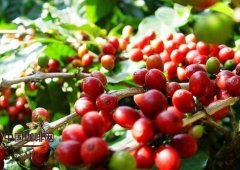
Guatemala extra hard coffee beans are full, delicious and balanced.
The extra-hard coffee beans are full-grained, delicious and balanced, and the coffee made with them is pure and rich. Guatemala coffee once enjoyed a reputation as the best quality coffee in the world, but its quality also declined for a time. What is gratifying, however, is that its reputation is gradually being restored. In 1750, Father Jesuit introduced coffee trees to Guatemala, at the end of the 19th century.

Taste of Guatemalan coffee beans methods of Guatemalan coffee beans
The extra-hard coffee beans here are full-grained, delicious and balanced, and the coffee made with them is pure and rich. Guatemala coffee once enjoyed a reputation as the best quality coffee in the world, but its quality also declined for a time. What is gratifying, however, is that its reputation is gradually being restored. In 1750, Father Jesuit introduced coffee trees to Guatemala, at the end of the 19th century.

A brief introduction to the Development of Esmeralda Farm Garden in Rosa
Following Cafe Review (official Wechat account vdailycom) discovers the history of Esmeralda Farm, which opened a small shop of its own: Haines Elliot of Sweden founded Esmeralda Farm in 1924, not as a coffee grower but as a ranch, 40 years later in 1964, Mr. Danielupidason's grandfather, Ruth Ruffer. Mr. Bidasson, in order to have a place to live after retirement,

Fragrant Yunnan small Coffee Huaguoshan Coffee grindability characteristics Variety description of producing area
According to reports, in 1892, French missionary Father Tian used coffee fruit to breed the first coffee tree outside the church, and then cultivated more coffee trees and planted them around the church. Since then, the village of Zhukula began to grow coffee, and the village has been surrounded by coffee trees ever since. The two oldest elders in the village, Qi Guanghui and Li Fu

The latest situation of Los Congo Manor in Nicaragua introduction to the cultivation of Coffee
The latest situation of Coffee cultivation at Los Congo Manor in Nicaragua Coffee is grown on 10 plots over 1350 meters above sea level at the Tianyi estate in Dipilto. When Misael Sauceda Olivera, the current landowner, inherited from his father, there were only two plots for planting and development, and then he bought the land from his neighbors to the present size of the Lemon Tree Farm.

Introduction to Esmeralda Manor in Panama Coffee Manor
Haines, a Swede, in 1924. Elliott founded Esmeralda Farm, which was not a coffee grower but a ranch. Forty years later, Daniel Lou in 1964. Mr. Bidarson's grandfather, Luther Ruffer. Mr. Bidarson bought Esmeralda Farm in order to have an old home after retirement, grandfather Luthor. Born in Sweden, Mr. Bidarsson was president of Bank of America and United.
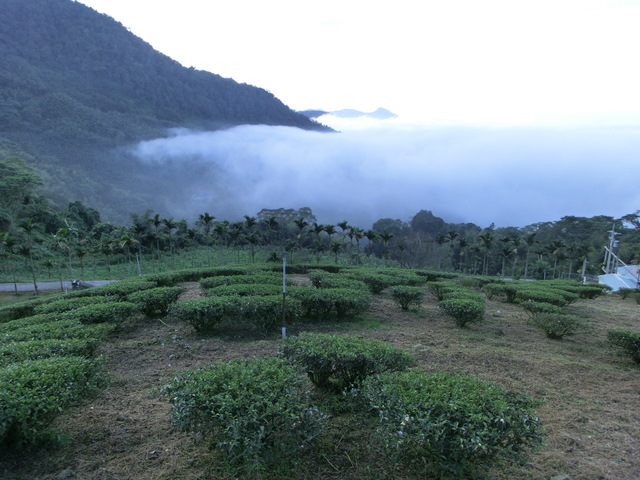
Coffee Manor in Guatemala. Camana Manor Antigua.
The Guatemalan Coffee Garden at the foot of the volcano Father Jesuit introduced coffee trees to Guatemala in 1750, where German colonists developed the coffee industry at the end of the 19th century. Today, most of the coffee industry's production takes place in the south of the country. Here, the slopes of the Sierra Madre volcano provide ideal conditions for growing high-quality coffee beans.

Introduction to the price and variety of Yunnan small-grain coffee dripping pot
According to introduction, in 1892, French missionary Father Tian used coffee fruit to breed the first coffee tree outside the church, and then cultivated more coffee trees around the church. Since then, coffee has been grown in Zhukula village, and coffee has been used around the village ever since.

Coffee farms in Guatemala Coffee Bean Plantation
The Guatemalan Coffee Garden at the foot of the volcano Father Jesuit introduced coffee trees to Guatemala in 1750, where German colonists developed the coffee industry at the end of the 19th century. Today, most of the coffee industry's production takes place in the south of the country. Here, the slopes of the Sierra Madre volcano provide ideal conditions for growing high-quality coffee beans, at a high altitude

Introduction to the characteristics of Colombian Coffee Flavor Manor with moderate acidity
After taking office in 2002, Colombian President Uribe took a tougher right-wing line. FARC was vigorously besieged and suppressed by the government. The Revolutionary Armed Forces of Colombia killed Uribe's father in 1983. After Uribe came to power, the top priority was to fight against the Revolutionary Armed Forces of Colombia, which brought Colombia closer to the United States, and the United States gave more money to Colombia. Since 2000
El Octavio Manor Coffee Bean introduction Salvadoran coffee bean flavor description taste
Professional Coffee knowledge Exchange more information about coffee beans Please follow Coffee Workshop (Wechat official account cafe_style) DON OCTAVIO Pakamara Coffee Farm is relatively young; it currently has a land area of 10 acres. It is located at 14 degrees north latitude 23 minutes 24 seconds north longitude 89 degrees 17 minutes 9 seconds west longitude 1500 to 1600 meters above sea level in the city of Sitala in Charat Nango province. 95% of the trees in the shade are local trees.

Guatemala water wash Rosma coffee hand flush water ratio recommended-Vivette Nanguo Coffee hand flush flavor
Professional coffee knowledge exchange more coffee bean information please follow the coffee workshop (Wechat official account cafe_style) Guatemala Coffee Manor-Finca La Rosma (Finca La Rosma) was founded by Dr. Fredy Morales Merida, he followed his father Mr. Alejandro Morales Herrera to settle down here, and he started growing and operating 20 years ago.
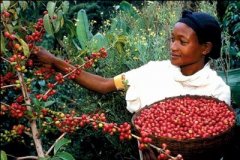
The extra-hard coffee beans here in Guatemala are full-grained, delicious and balanced.
The extra-hard coffee beans here are full-grained, delicious and balanced, and the coffee made with them is pure and rich. Guatemala coffee once enjoyed a reputation as the best quality coffee in the world, but its quality also declined for a time. What is gratifying, however, is that its reputation is gradually being restored. In 1750, Father Jesuit introduced coffee trees to Guatemala, at the end of the 19th century.

Introduction to the flavor and taste of Nicaraguan coffee lemon tree manor
The planting conditions in Nicaragua are not inferior to those in Central American countries. Shaded coffee is grown at high altitudes. It tastes round and balanced with less sharp acid. The main unknown factor is war and hurricanes, which make a single farm unsustainable. There is no historical data for raw bean merchants to track and check farm data until after 2003, the bad factors of coffee quality are removed and backward intercourse.

Introduction to the appearance characteristics of Guatemalan coffee beans
In 1750, Father Jesuit introduced coffee trees to Guatemala, where the coffee industry was developed by German colonization at the end of the 19th century. Today, most of the coffee industry's production takes place in the south of the country. Here, the slopes of the Sierra Madre volcano provide ideal conditions for growing high-quality coffee beans, coffee plants growing at high altitudes.